March 31, 2015

Almonds: The Health Benefits

Allergy-friendly, Gluten-Free, Healthy & Safe


Almonds is one of the most nutritious snacks with a low caloric content.  One of the healthiest choices especially for families with allergen sensitivity issues, and individuals with medical history of chronic diseases and cancer.  Not just that, but also for any individuals who choose to live a healthy life.

Why Almonds?

Almonds is one of the top choices because of its several nutritional benefits that can contribute to healthy lifestyle.  Primarily, they are a good source of:
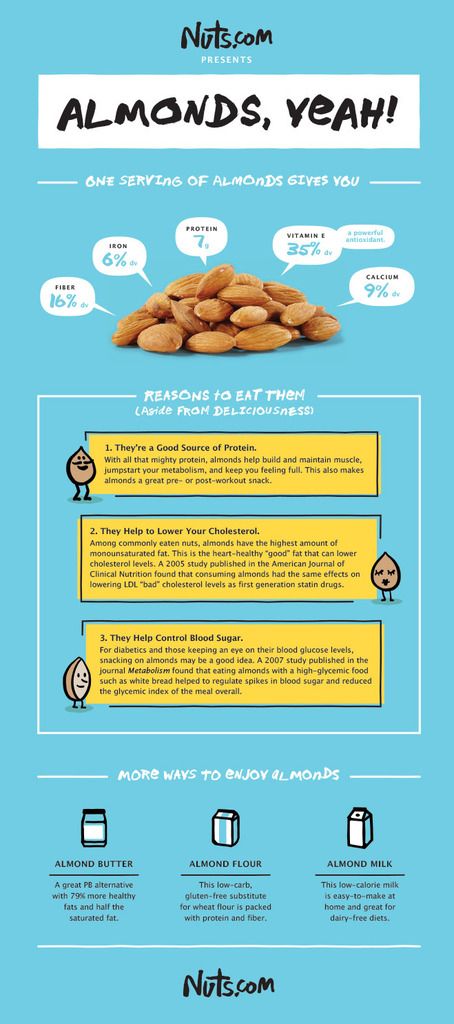
 photo Almonds_Yeah_v04.jpg
  • Vitamin E, which is an antioxidant that contributes for the formation of healthy blood cells and tissues.
  • Folic Acid, keeps the neural tubes healthy especially on pregnancy.
  • Protein, which is necessary for healthy muscles, blood and organs. 
  • Fiber, a good source that aids in the cleansing of the digestive system.
  • Iron helps carry oxygen to all of the body's cells and organs.
  • Zinc, which aids in wound healing and is involved in protein metabolism. It is also important in the development of the reproductive system.
  • Copper, which helps carry oxygen throughout the body and helps keep bones, blood vessels and nerves healthy.
  • Magnesium is used in building bones, making protein, releasing energy from muscles and regulating body temperature. It's also needed for calcium and potassium balance in the body.
  • Phosphorous is the second most abundant mineral in the body. It helps build strong bones and teeth, and helps the body uses protein, fat and carbohydrate.
  • Pytochemicals have protective or disease preventive properties.


What are the Health Benefits of Almonds?
  1. It reduces the risk for chronic diseases such as heart disease and diabetes.
  2. It reduces the risk of birth defects.
  3. It is a good source of energy.
  4. It prevents constipation, diverticulosis, colon and rectal cancer.
  5. It lowers ‘bad’ cholesterol level and improve blood sugar control.
  6. It protects arterial damage.
  7. It helps build strong bones and teeth.
  8. It provides healthy fats and aid in weight loss.
How do we incorporate Almonds in our diet?

Easy! I have partnered with Nuts.com to raise awareness of the important health benefits of almonds in our diets.  If you are new to almonds incorporating into your diet, you can get ideas from their site with a wide variety of almond products such as:
  • Almond Flour, as substitute to regular whole wheat or all-purpose flour used for baking.
  • Almond Milk, as substitute to regular whole milk.  It is especially best for families with dairy and gluten allergies.
  • Almond Butter, used for sandwich spreads, especially used by families with peanut allergies and have gluten-free diets.
  • Almond Paste, used for cakes
  • Chocolates with Almonds
  • Almonds covered with chocolates, yogurts and other delectable delights that will surely entice your little ones at home.
My family are chocoholics.  Chocolate is a good medium when incorporating anything new to our diet.  Chocolate covered almonds is a huge hit in our household, which we love mixing it with other stuffs we love when making trail mixes for school, movie nights and road trips. For added fun, we coat our own almonds with the kind of chocolate flavor we love.  Almond butter is next when making sandwiches for after school snacks.  And when kids are tired of regular milk, I give them almond milk as a treat. We love almonds!

If you love Healthy Eating Starts at Home, you may subscribe via email to get all my posts straight to your inbox. No spam mails, just healthy food ideas for your lunchboxes.

signature
All bento accessories are available through Bento USA,
the cheapest and most complete online bento products in the USA.

Other bento gears are also available thru My Amazon Affiliate Link.
Thank you for your support!

If you need weekly meals straight to your inbox, try MOMables.
It's our one-stop shop when we're on a lunch rut.

 photo Laura.png

March 11, 2013

The Ill-Effects of Artificial Food Additives

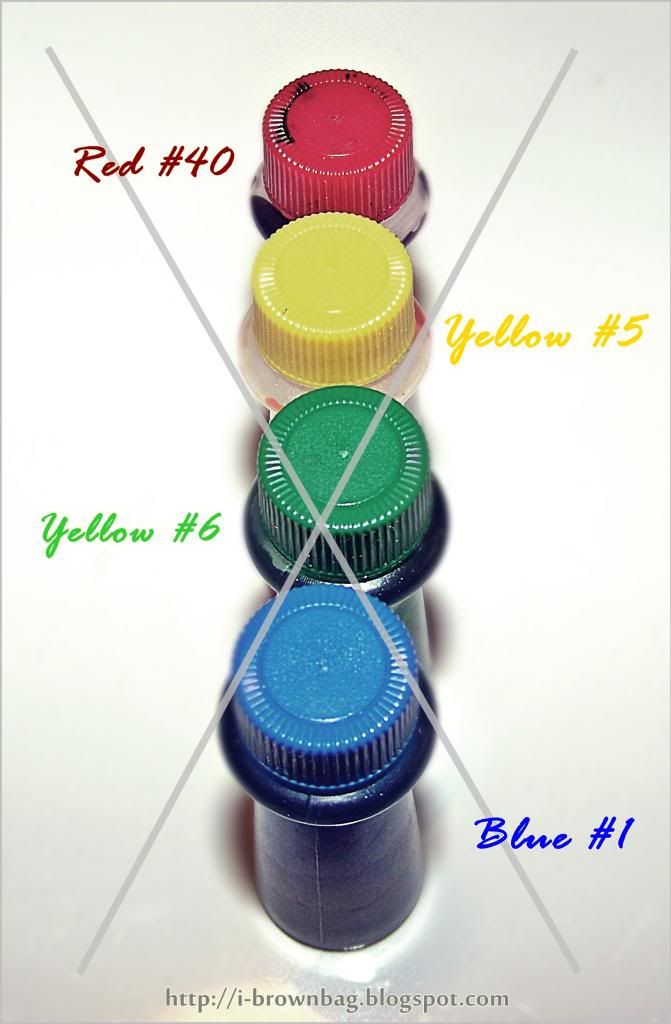
No To Food Dyes photo 100_3894.jpg
I thought of blogging about the effects of artificial food addiditives eversince we confirmed about its harmful effects on our kids.  I believe that it's my responsibility to let you know of our experience since I blog about food and school lunches.

While most kids are allergic to peanuts, dairies, eggs, soy, and so on, there are also sensitive individuals who get ill-effects from the artificial flavors and dyes, MSG, chemical preservatives commonly found on foods we eat, and beverages we drink.  For a decade, I have believed that my children have no known allergic issues on most things.  That made me so grateful coz I can practically feed them anything that I find healthy and nutritious.

I am allergic to MSG (Monosodium Glutamate). That is the least diagnosed case to most individuals unless they care to get tested.  My doctors said I am one sensitive individual to even react to it. It causes me to bruise easily, and tons, on my limbs even without any history of bumps and falls.  Thought I suffer from early stages of leukemia when I was growing up, but my blood tests would always come back normal. Until a Chinese doctor told me about the ill-effects of MSG to certain individuals.  As soon as I stopped eating canned foods, instant noodles, and chips, I stopped getting bruises too. Interesting, huh?

Now it's our kids' turn of sensitivity issues.  Have you ever noticed how the present generation of kids have grown to be? Most are hyperactive. Not just any ordinary hyperactivity, but some are behavioral as well. Neurologists have confirmed to us that hyperactivity may be due to an iron deficiency or sensitivity to artificial food dyes, regardless of its individual diagnosis. Most on Red, some on Yellow, and others on Blue.  Not sure if there's a sensitivity test for dyes. But if you want to try to eliminate all the dyes from your diet, I was told to allow at least 2-3 weeks resting period when testing out one dye at a time.  This is to give ample time for the body to eliminate the previous dye/s circulating in our system.  That way, you know which dye is causing an issue to your child's health.

We are affected by this hypersensitivity issue.  My kids are mild-to-moderately affected by hyperactivity, which I tend to dismiss and thought it was just the way they are.  At least we ain't getting extreme behavioral issues yet, but we're deeply concerned.  Never had a clue that it can either be caused by a nutritional deficiency, or by a hypersensitivity to food dyes/flavorings/preservatives. My kids will have their blood drawn to test whether they have iron deficiency. Consequently, we are ditching artificial food dyes in our life.  Tough as it may seem, but I'd do anything to minimize my children's exposure to allergens to live a better and sound life.

Grateful that I've learned about it as early as now. Now that they are quite mature to understand its ill-effects, and have voluntarily said NO to artificial dyes.  Two thumbs up for Mr G, for being so diligently avoiding DYES at all cost.

Right now, we are on the stage of switching our diets to DYE-FREE and ALL-NATURAL. So please bare with us, as I re-invent our daily school/work lunches.  We have sworn to eat only home-cooked meals from now on except on special occasion that we need to eat out. I believe eating out occasionally wouldn't hurt much compared to a daily consumption.  I hope you follow me on our quest to a new diet for a healthier and cleaner living.

Let's protect our kids from harmful food additives.  This might help them live a better life.  Say no to artificial additives.  Who knows? They could be the greatest precursor to cancer producing cells.
signature
Related Posts Plugin for WordPress, Blogger...